Servicing Community Beyond The Chair
The US has fallen on hard economic times, that’s not up for debate. Between officials slashing government funds, crypto rug pulls, billionaires, and uncertainty with tariffs - most Americans are struggling to afford a good living space, food, transportation, and maintain (or even have) a job.
Salons are known for being community safe spaces, especially considering the intimate relationships beauty professionals have with their clients - so when they are experiencing hard times, we feel it too. Salon professionals have the unique opportunity to do more for their clients to care for them beyond the chair because of their deep roots in their communities and having space to utilize.
So what does that look like? We’ll be going over different services that can uplift your clients, neighborhoods, and local cities such as:
Collecting food for pantries
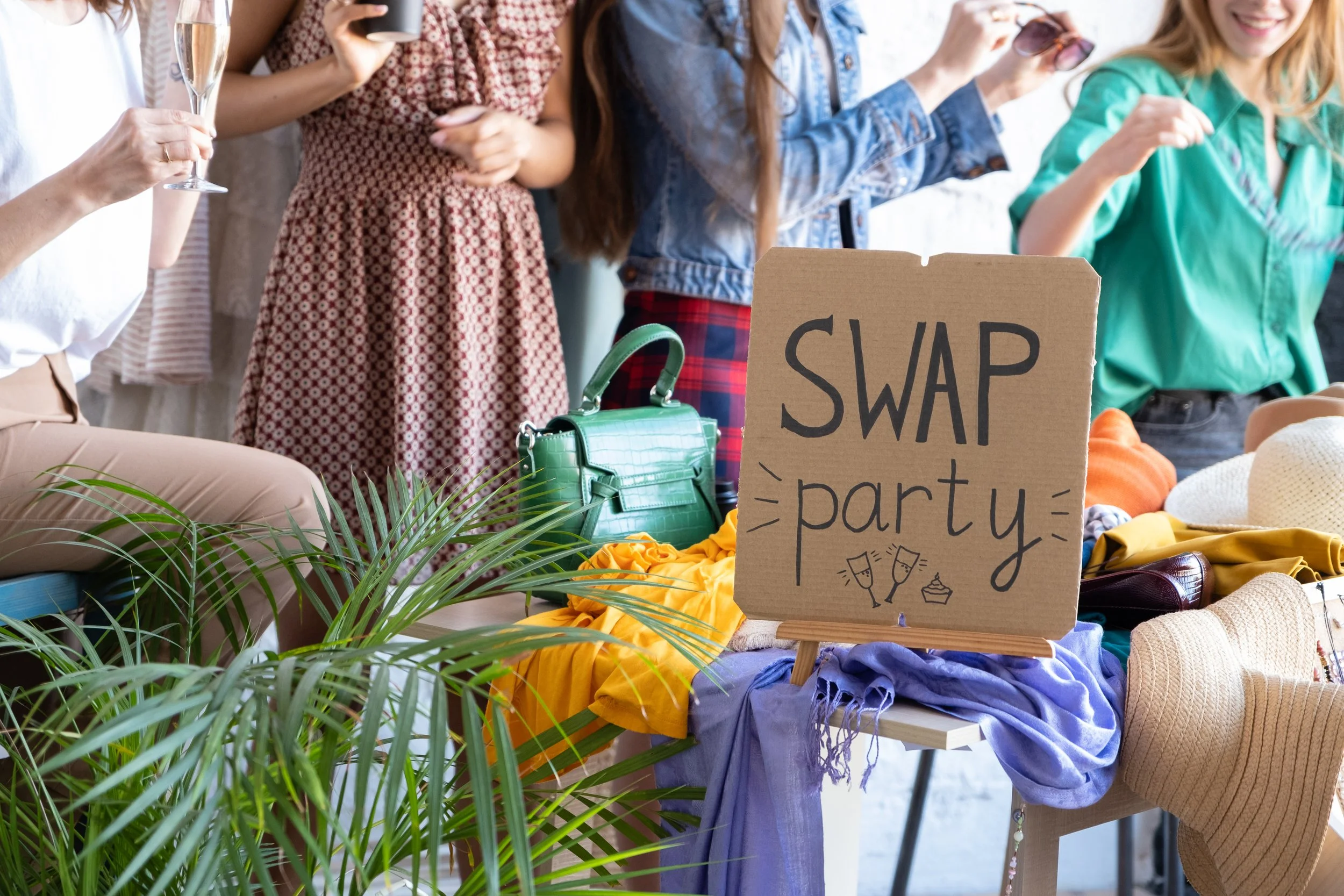
Hosting a community swap event
Pay what you can or offering soft scale pricing
COLLECTING FOOD FOR PANTRIES
Collecting food for pantries is easy to do as long as you have a space to hold the donations and guidelines for people to follow or suggestions of what they could bring - it’s easy to make this a day event, a specific calendar day that you host occurring (ex: first Saturday of the month, every Friday, etc).
TIPS FOR COLLECTING
Boxed milk is great because cereal is often donated, but can’t be eaten as intended
Donating a can opener or donating canned items with a pop top makes it a lot easier to eat
Oil is a great because it’s a necessity for items like Rice-a-Roni (which pantries get a lot of)
Spices, salt, and pepper are treats
Tea bags and coffee are not often seen, but highly appreciated
Sugar and flour are great for people to cook real food
7 . If you know any farmers, get them to donate any fresh leftover fruits, vegetables, eggs, or fresh meat
8. Seeds are great for summer and spring so they can grow them themselves
9. Tuna and crackers is a filling meal by itself
10. Bread - they get a lot of spreads but nothing to put the spreads on (ex: PB&J)
11. Cake mix and frosting for celebrating events (everyone has a birthday)
12. Other household products like dishwashing soap, toilet paper, and feminine hygiene products are expensive but so important
A few salons that are offering food donation opportunities: Goldenrod Parlour (@goldenrod_parlor) and Mint Hair Crafting (@minthaircrafting.meltheadspa)
OTHER RESOURCES TO SHARE
If you feel you don’t have the capacity to do this physically, here are some great resources to share with people who are struggling with food security: Community gardens, Food Not Bombs – free meals, 1,000+ cities, Community fridges, Seed libraries, Black farmers
HOSTING A COMMUNITY SWAP EVENT
Community Swap events are impactful in so many ways. Good clothing can be expensive, personal care and beauty products can be expensive, and people buy stuff all the time and realize they don’t want or need it - but they’re in perfectly good shape.
Hosting a swap event is great for people bringing gently used clothing, beauty products, and unused personal care products is a great way for people to feel taken care of, having good items be actually used by people that need them, and keeping items out of landfills as well.
SWAP EVENT TIPS
CLOTHING: Keep it easy for yourself - limit the amount of clothing that people can bring so you are not left with taking care of an overwhelming amount. The general rule of thumb is the amount of items people bring is the amount that they can take, but all of the clothing swaps I’ve been a part of have always had extra clothing. I would suggest putting a limit on “items you can bring” but not a limit on “items you can take”.
For any leftover clothing, you can look into local women’s shelters, city organizations, or partner with companies like TRASHIE at will put clothing back into the second-hand clothing market (that doesn’t go to Salvation Army or Goodwill).
BEAUTY/PERSONAL CARE PRODUCTS: Same aspect as above for clothing - limit the amount of items people can bring. But, you must be really diligent about expired/used products for safety reasons. For personal care products such as deodorant must be brand new. Here is our example of guidelines for Product Swaps -
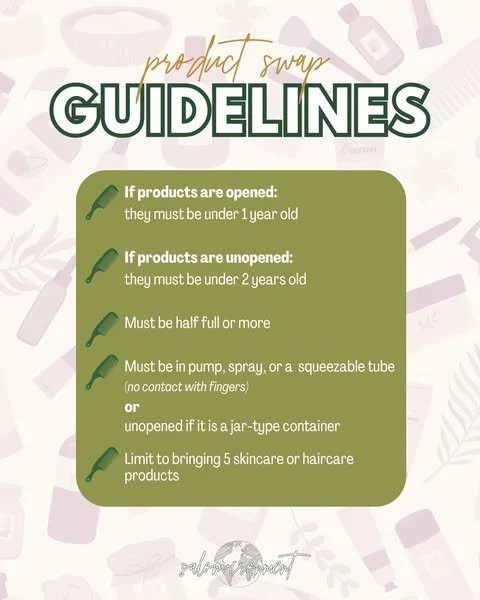
For any leftover products, donate them to organizations that could take them, or put them up on your local Buy Nothing Facebook group, or you can recycle them as hazardous waste if you do not trust their condition (find where your closest option is here).
While I’ve personally hosted swaps alongside some fantastic salons like Kismet Studio (@kismet_studio) and Nomad Beauty Therapy (@nomadbeautytherapy), The Lon Next Door (@thelonnextdoor) hosts these quite a bit too.
PAY WHAT YOU CAN/SOFT SCALE PRICING
A “pay what you can” day or introducing “soft scale pricing” for clients that are having a hard time financially is a great way to make sure your clients get their hair done by you, stay on a schedule, and keep your books full.
“Pay What You Can Day”: this is usually a special event on a specific day where people can pay for services at the rate they can afford to get their service done.
“Soft Scale Pricing”: this is an offer to clients that have expressed concern with their future, offering services that are on a sliding scale to give breathing room for the cost. For example, if you charge $75 for a haircut, the sliding scale pricing could be $55 - $75 and they can pay anywhere in that range.
Now, this is great as long as professionals are able to make it financially sustainable. Sit down and see how many people you can afford to offer this to. Remember that you can’t pour from an empty cup, so do not stretch yourself thin by creating personal boundaries.
Salons and stylists that have offered these: Avin (@gender_affirming_hair), Sinners Denver (@sinnersdenver)
Doing the little things like sharing resources or offering opportunities will always make a difference. When people are thriving, communities thrive too.